 English
 русский

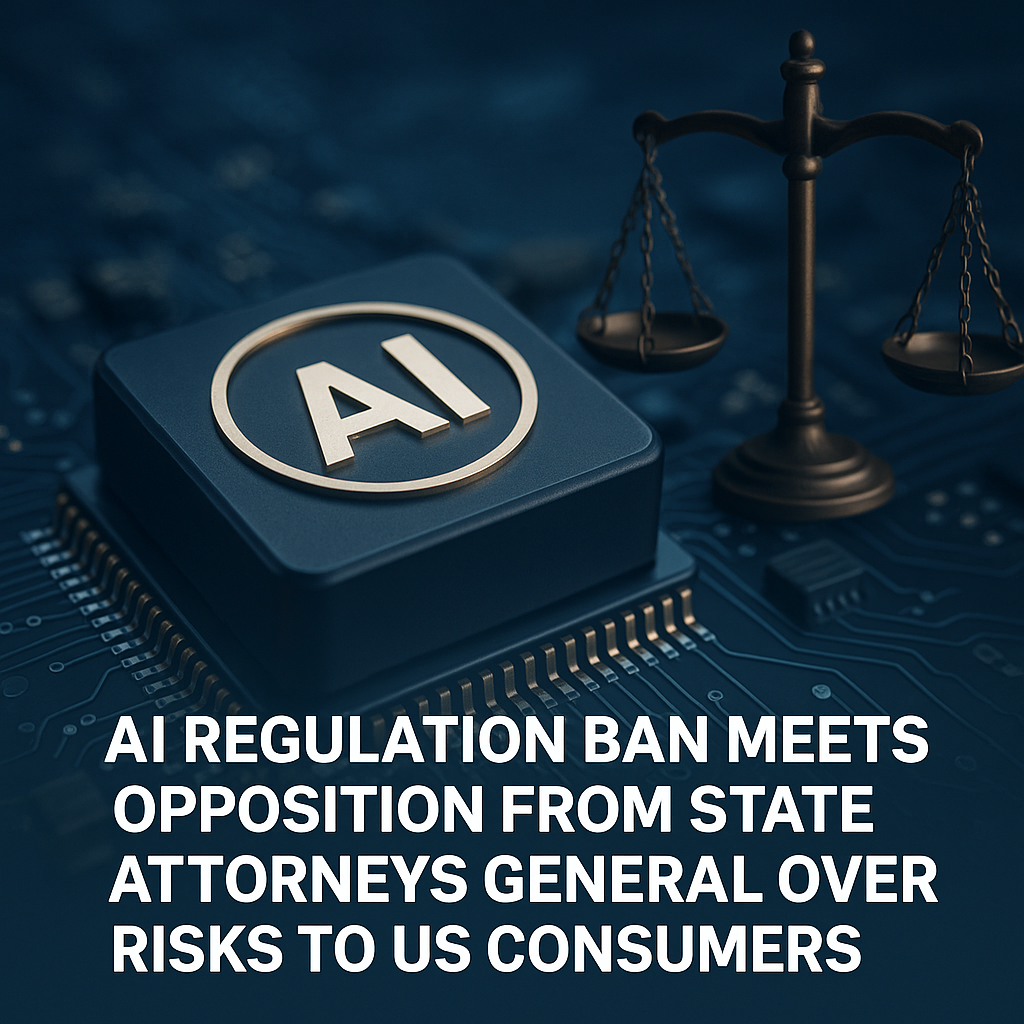
May 16 (Reuters) - A Republican proposal to block states from regulating artificial intelligence for 10 years drew opposition on Friday from a bipartisan group of attorneys general in California, New York, Ohio and other states that have regulated high-risk uses of the technology.
The measure included in President Donald Trump's tax cut bill would preempt AI laws and regulations passed recently in dozens of states.
Make sense of the latest ESG trends affecting companies and governments with the Reuters Sustainable Switch newsletter. Sign up here.
A group of 40 state attorneys general, including Republicans from Ohio, Tennessee, Arkansas, Utah and Virginia and other states, urged Congress to ditch the measure on Friday, as the U.S. House of Representatives' budget committee geared up for a Sunday night hearing.
California implemented a raft of bills this year limiting specific uses of AI, illustrating the kind of laws that would be blocked under the moratorium.
Like several other states, California has criminalized the use of AI to generate sexually explicit images of individuals without their consent. The state also prohibits unauthorized deepfakes in political advertising, and requires healthcare providers to notify patients when they are interacting with an AI and not a human.
Healthcare provider networks, also known as HMOs, are barred in California from using AI systems instead of doctors to decide medical necessity.
House Republicans said in a hearing Tuesday that the measure was necessary to help the federal government in implementing AI, for which the package allocates $500 million.
"It's nonsensical to do that if we're going to allow 1,000 different pending bills in state legislatures across the country to become law," said Jay Obernolte, a Republican from California who represents part of Silicon Valley, including Mountain View where Google is based.
Add New Comment