 English
 русский

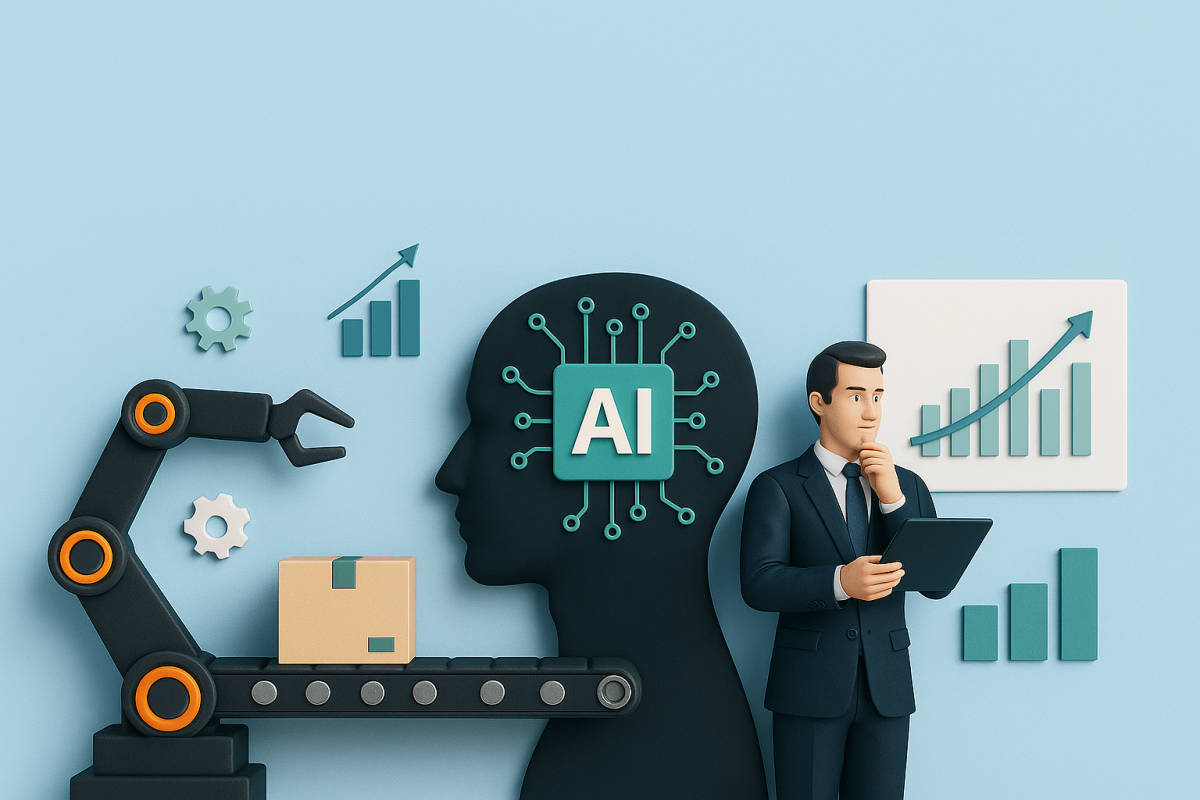
Artificial Intelligence is transforming the business world, helping companies become more efficient, customer-centric, and data-driven. Whether it’s automating tasks, forecasting trends, or improving customer service, AI is now a cornerstone of modern enterprise strategy.
Automation and Efficiency
AI-powered automation helps reduce repetitive tasks and streamline workflows. Tools like chatbots and virtual assistants handle customer queries 24/7 without human intervention. For example, Zendesk and Freshdesk use AI to route tickets and even respond automatically to common issues.
In manufacturing and logistics, AI-powered robots manage inventory, predict equipment failures, and optimize supply chains. This reduces downtime, increases output, and ensures better quality control. Even in the legal and financial sectors, AI is being used to draft documents, detect fraud, and conduct audits—tasks once thought to require human judgment.
Data Analytics and Predictive Modeling
One of AI’s biggest advantages is its ability to process massive amounts of data and identify patterns that humans might miss. Machine learning models can predict customer churn, recommend pricing strategies, and optimize marketing efforts based on real-time feedback.
Retailers like Walmart and Zara use AI to forecast demand, manage inventory, and plan promotions. In finance, algorithms assess creditworthiness or detect unusual transactions, saving both time and money. This predictive power turns raw data into actionable insights, allowing businesses to respond proactively rather than reactively.
Enhancing Customer Experience
Personalization has become the norm, and AI makes it scalable. CRM systems powered by AI, such as Salesforce Einstein, deliver targeted marketing messages and help sales teams engage with prospects at the right time. E-commerce sites display personalized product recommendations, while banking apps offer custom financial advice based on spending behavior.
Voice assistants and AI chatbots are also key to enhancing the user experience. They can schedule appointments, offer product information, and support multiple languages, ensuring that customers get instant and accurate responses.
Challenges and Ethical Considerations
Despite its advantages, AI adoption isn’t without challenges. Data privacy, algorithm bias, and transparency are ongoing concerns. Businesses must ensure they’re using AI ethically and complying with data protection laws like GDPR or CCPA.
Training AI models also requires clean, diverse, and unbiased datasets. If not handled carefully, AI could reinforce existing biases or make faulty decisions. Therefore, businesses must strike a balance between innovation and responsibility.
Conclusion
AI is revolutionizing how businesses operate—from internal automation to external engagement. Companies that embrace AI gain competitive advantages, make better decisions, and deliver superior customer experiences. But with great power comes great responsibility, and it’s up to businesses to deploy AI thoughtfully and ethically. As technology continues to evolve, AI will no longer be a tool of the future—it will be a defining force of the present.
Add New Comment